

Test cricket is widely regarded as the toughest format for bowlers, demanding exceptional skill, patience and consistency to trouble batters over long periods. While some bowlers rely on express pace, others build pressure through swing, seam movement and accuracy. Reaching 100 wickets is a significant milestone in a player’s career, but achieving it in the fewest deliveries highlights a bowler’s ability to strike regularly and make every spell count. South Africa‘s Marco Jansen recently joined this elite group, bringing his height, bounce and left-arm angle to the forefront during the third Test against Australia at Newlands.
Jansen entered the series-deciding contest with 99 Test wickets and completed his century on Day 2. The left-arm pacer broke a threatening 126-run partnership by dismissing Matt Renshaw for 74, with the decision confirmed following a successful DRS review. He struck again just three deliveries later, sending Cameron Green back to the pavilion for 65.
The achievement came in Jansen’s 24th Test appearance, with the South African taking 3,864 balls to reach 100 wickets.
His latest milestone places him alongside some of the most efficient wicket-takers in Test history. Let’s look at some of the fastest bowlers to reach 100 Test wickets based on the number of balls bowled.5 fastest bowlers to take 100 Test wickets by balls bowled
1. George Lohmann (England)
George Lohmann holds the record for taking 100 Test wickets in the fewest deliveries.
Representing England during the early years of international cricket, the right-arm bowler relied on exceptional accuracy, seam movement and variations rather than outright pace to trouble opposition batters.Lohmann reached the landmark in just 16 Test matches, requiring only 3,409 deliveries to claim his first 100 wickets. His record has stood for well over a century, underlining his remarkable effectiveness during cricket’s formative years.
His achievements extended beyond this milestone. Lohmann finished his Test career with 112 wickets at an extraordinary average of 10.75, making him one of the most statistically dominant bowlers the format has witnessed.
His ability to take wickets consistently established a benchmark that generations of bowlers have struggled to approach.2. Johnny Briggs (England)
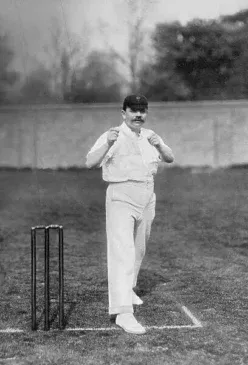
Johnny Briggs was one of England’s prominent bowlers during the late 19th century.
A left-arm spinner who represented Lancashire in domestic cricket, Briggs developed into a formidable international performer through his control, variations and ability to exploit helpful conditions.He became the first bowler to claim 100 Test wickets, achieving the feat against Australia in Sydney in February 1895. Briggs needed just 3,469 balls to reach the landmark, placing him second on this list.
His achievement was particularly significant given that Test cricket was still developing during that era. Briggs helped establish early standards for bowling excellence and demonstrated how spin bowling could consistently dismantle even the strongest batting line-ups. His place among the quickest bowlers to reach 100 wickets remains a testament to his effectiveness.
3. Dale Steyn (South Africa)
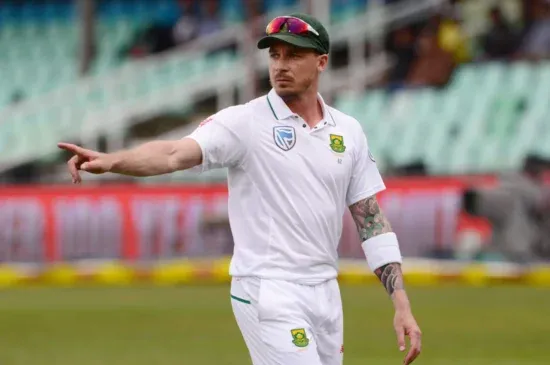
Dale Steyn established himself as one of the most feared fast bowlers of the modern era through his blistering pace, late swing and aggressive approach. The former South African quick regularly troubled batters across different conditions, making him a crucial figure in his country’s Test success.
Steyn reached 100 Test wickets in just 20 matches, taking 3,631 deliveries to achieve the milestone. He completed the feat in 2008, showcasing his extraordinary ability to make breakthroughs without requiring lengthy spells.
Known for his attacking mindset and ability to move the ball at high speed, Steyn combined technical precision with relentless aggression. His career eventually yielded 439 Test wickets, cementing his reputation as one of the finest fast bowlers of his generation.
Also WATCH: Marco Jansen dismisses Cameron Green with a beauty on Day 2 of Cape Town Test – SA vs AUS
4. Vernon Philander (South Africa)
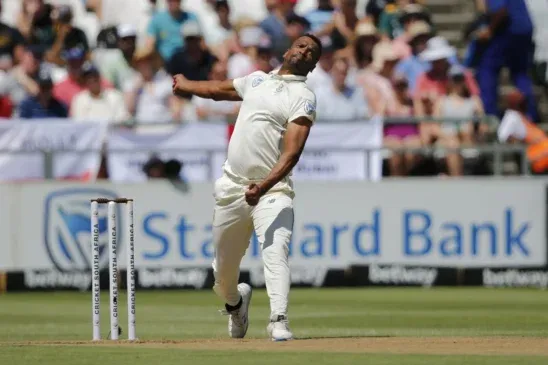
Vernon Philander demonstrated that exceptional accuracy and movement can be just as effective as extreme pace. The South African seamer built his success around disciplined lines, subtle seam movement and the ability to exploit even the smallest weaknesses in a batter’s technique.
Philander reached 100 Test wickets in only 19 matches, taking 3,792 balls to accomplish the feat. His remarkable start to international cricket established him as one of South Africa’s most dependable bowling options, particularly in conditions that offered assistance to seamers.
His performances were characterised by an impressive ability to maintain pressure while producing regular breakthroughs. Philander’s control and consistency made him a valuable partner for quicker bowlers, while his own wicket-taking record showed how devastating precision could be in Test cricket.
5. Marco Jansen (South Africa)

Jansen’s inclusion on this list highlights the rapid progress he has made since entering international cricket. Standing around 6 feet 8 inches tall, the left-arm fast bowler generates steep bounce and awkward angles that can make life difficult for batters, particularly when he combines his natural height with pace and movement.
Jansen reached 100 Test wickets in his 24th appearance during the third Test against Australia at Newlands. He required 3,864 deliveries to reach the landmark, adding another significant achievement to his growing international career.
His double strike against Renshaw and Green on Day 2 illustrated his ability to change the course of a session. At 26, Jansen has already established himself as an important part of South Africa’s pace attack. If he maintains his current trajectory, he could continue climbing the record books and strengthen his reputation as one of the leading fast bowlers of his generation.