

Suyash Sahay
abplive|13-11-2026
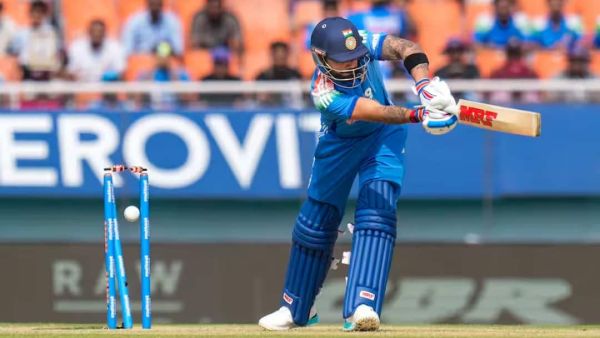
Virat Kohli's dismissal in the fourth ODI against New Zealand brought an unwanted statistic into the spotlight. Matt Henry sent the Indian batsman back to the pavilion for a four-ball duck, leaving him level with Sachin Tendulkar on a record no player would want to own. Kohli has now been dismissed without scoring 20 times in ODIs for India, matching Tendulkar's tally. It is an unusual entry on the career sheet of a player renowned for his consistency and remarkable batting achievements.
Kohli Joins Tendulkar In Unfortunate ODI List
Here are the players to score the most ducks For India In ODIs:
Virat Kohli: 20 so far
Sachin Tendulkar: 20
Javagal Srinath: 19
Rohit Sharma: 18 so far
Anil Kumble: 18
Yuvraj Singh: 18
Harbhajan Singh: 17
Sourav Ganguly: 16
The New Zealand dismissal also followed another recent setback against the West Indies, when Kohli was dismissed for a golden duck during India's home series.
Across international cricket, he has accumulated 42 ducks, the second-highest tally among Indian players.
Kohli's Recent Form Tells A Different Story
The statistic, however, offers little indication of Kohli's overall performances this year.
He has been India's second-highest run-getter in 2026, only behind Shubman Gill.
Gill has made 932 runs so far, while Kohli trails with 633 runs. The former was not a part of today's ODI, as he begins preparations for the upcoming Test series against the Kiwis.
It is worth noting that Kohli's contribution in the opening ODI was another reminder of his form, as he struck 74 runs from just 51 deliveries.
The failure against Henry was therefore a sharp contrast to his recent performances.
So for Kohli, the immediate focus would likely be on returning to the runs, rather than allowing an unwanted statistical milestone to define an otherwise productive year.






'I wasn't in that dressing room': Harry Brook distances himself from Australia's ball-tampering scandal
IND vs AFG, U19 Asia Cup Live Score: Lakshya nears 100; IND inches closer to final

Temba Bavuma interview: ‘Coach Shukri Conrad yin to my yang, challenges team in many ways’
Who is Brett Randall? Had once created history by taking 5 wickets in 5 balls, now will debut against India at the age of 31!