
Sandy Verma
Tezzbuzz|30-03-2026
IPL 2026 is underway and while most of the pre-season conversation was about squads, trades and ticket prices, there were some significant changes to how matches will actually be officiated this season that did not get the attention they deserved.
BCCI head of match referees Javagal Srinath and umpires head Nitin Menon outlined the changes at an IPL 2026 Captains meeting before the season began, and some of them will have a direct bearing on how tight games are decided.
IPL 2026: The DRS change by BCCI that will catch teams off guard
The most significant shift involves the Decision Review System and what happens during a referral.
Under the old approach so far in IPL, a review for one dismissal could trigger automatic secondary checks, the most common example being a caught behind appeal where replays showed no bat contact, after which the third umpire might additionally check whether the delivery should have been called a wide for height.
That automatic secondary check is gone. A review is now strictly limited to the original point of appeal. If the bowling side reviews for caught behind and replays show the ball passing well above the bat, the third umpire checks for contact and nothing else.
If the batting side wants a wide called for height they have 15 seconds from the moment the original review concludes to use one of their own reviews, and crucially they will not be given an extra 15 seconds after the first review’s replays have been shown.
The BCCI’s position is that the batting side already has enough information about the delivery’s height to make their own call within that window.
IPL 2026: The over-rate rules that now have teeth
An innings timer will be displayed on the linear scoreboard from the third ball of each IPL innings and after every over.
A 60-second countdown clock will appear on the big screen at the end of each over.Fielding teams receive two warnings from the on-field umpires if the bowler is not ready before the clock expires. A third violation results in 5 penalty runs being awarded to the batting side, a punishment significant enough that captains will need to manage their bowling changes and field settings considerably more efficiently than some sides have managed in previous seasons.
IPL 2026: Concussion replacements and team sheets
On IPL concussion replacements the rules now specify that a like-for-like substitute may be selected from the nominated substitutes.
If a wicketkeeper is concussed a replacement is permitted from the available squad. If an overseas player is concussed and the team has already used all four overseas slots the replacement must be an Indian player from the nominated substitutes, a scenario that could have significant tactical implications in tight situations.
Team sheets have also been tightened up procedurally, now distributed strictly after the toss with captains carrying one sheet each for the batting and bowling lineups, handing them to the match referee once the toss outcome is confirmed before team managers exchange sheets with each other.

IPL 2026: Why Angkrish Raghuvanshi is KKR's surprise X-factor
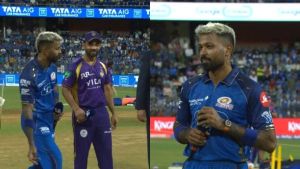
MI vs KKR : Once again Mumbai Indians in the net of match fixing! Why did the camera rotate during the toss? A colorful discussion on social media
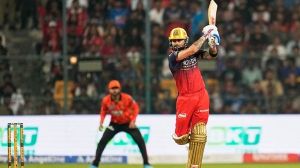
IPL 2026: Strong start by RCB, strong performance by Kohli-Padikkal and Duffy defeated SRH

This KKR player was accused of cheating, exposed during the match against Mumbai Indians