Prateek Thakur
abplive|15-04-2026
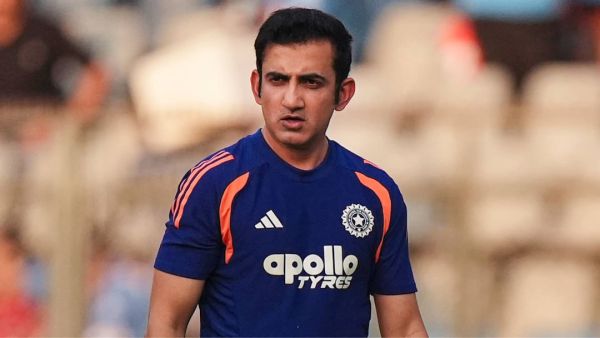
Amidst a whirlwind of speculation regarding the future of India’s head coach, former pacer Munaf Patel has issued a stark warning to the BCCI. As whispers of a potential coaching change grow louder following India's inconsistent Test form, Patel argues that removing Gautam Gambhir would trigger a man-management crisis that the board is ill-equipped to handle.
Since taking the reins in July 2024, Gambhir has been a divisive figure. While he has secured three major trophies, the 2025 Champions Trophy, the 2025 Asia Cup, and the 2026 T20 World Cup, his uncompromising approach toward senior players has reportedly ruffled feathers in the corridors of power.
‘Try Saying No To Kohli or Rohit’
Speaking on the TOI Sports’ Bombay Sport Exchange Podcast, Munaf Patel did not mince words about the difficulty of Gambhir’s role. He highlighted that the head coach's greatest strength, his honesty, is exactly what makes him a target for critics.
“Just remember this, if a head coach like Gautam Gambhir is removed, then handling the players will become very difficult. He is a genuine person; he calls the truth as it is, and many people don't like that,” Patel stated.
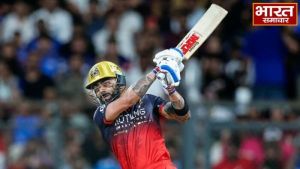
The 2011 World Cup winner pointed specifically to the challenge of managing modern icons. “Man-management is the most important thing. And it is not easy. Try saying no to someone like Virat Kohli. Try saying no to Rohit Sharma. Tell me, how many people is Gautam Gambhir making enemies of just to coach the country?”
A ‘Fear-Based’ System Under Attack
Patel believes that the current "star culture" in Indian cricket requires a disciplinarian rather than a friend. He credits Gambhir with having the "guts" to drop underperforming legends, a trait that has led to a noticeable shift in team protocol, including stricter family policies during international tours.
“The coach should have control. He can't be a friend. If he is, then you are spoiling the system. There should be fear,” Patel added. He warned that if Gambhir were to leave before the end of his tenure, the team structure would likely "scatter," as few others possess the "complete controlling system" Gambhir has established.
Tenure Through 2027
Despite the criticism over Test series losses to Australia and South Africa, the BCCI appears to be standing by their man for now. Sources indicate that Gambhir’s contract remains valid until the 2027 ODI World Cup, with a possible extension to 2028 if the team maintains its white-ball dominance.
For the BCCI, the dilemma is clear: do they prioritise the traditional format’s results or the disciplined, trophy-winning culture Gambhir has instilled? As Munaf Patel suggests, the cost of sacking Gambhir might be far higher than the board is willing to pay.






IPL 2026: 'Should play like that no matter what' – Dewald Brevis hails 'special' Ayush Mhatre

Head Coach Gautam Gambhir Seeks Blessings At Khatu Shyam Temple

IPL 2026: PBKS Still Winning Despite Arshdeep Not Getting Power Play Wickets Is A Really Good Sign, Says Finch
IPL 2026: Who will captain KKR in place of Ajinkya Rahane?