
Sandy Verma
Tezzbuzz|27-05-2026
Every IPL season produces its share of underperformers but IPL 2026 will be remembered for a particularly brutal set of high-profile collapses from players who were not just expected to perform, they were expected to carry their teams.
Mumbai Indians finished ninth, Lucknow Super Giants finished last and Delhi Capitals missed the IPL playoffs by the narrowest of margins. At the center of each of those stories is at least one enormous name who simply could not find their best cricket when the pressure was at its highest.
Here are the five biggest flops of IPL 2026 and the numbers that tell the uncomfortable truth about their campaigns.
5 players who disappointed the most in IPL 2026 ft. Hardik Pandya
1. Jasprit Bumrah – Mumbai Indians
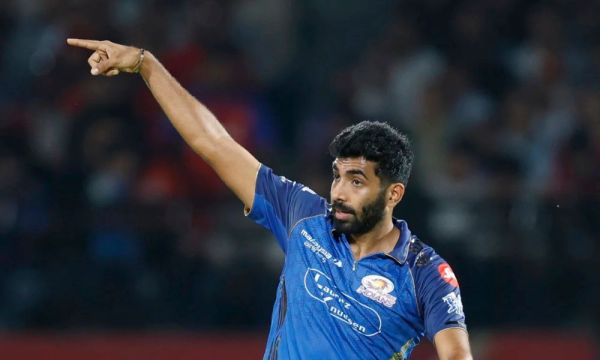
This was the most statistically shocking individual bowling season in recent T20 memory. Jasprit Bumrah, widely regarded as the best bowler in the world in any format, finished IPL 2026 with four wickets from 13 matches at a bowling average of 102.50. To put that in context, that is the worst single-season bowling average in T20 history for any bowler delivering 40 or more overs.
His economy of 8.37 was also significantly above his career norms. The explanation lies partly in the context around him, when the rest of the MI bowling attack offered no pressure whatsoever, opposition teams discovered they simply did not need to take risks against Bumrah. They blocked him out, scored freely at the other end and waited for the easy overs.
A world-class bowler rendered toothless not by a loss of ability but by a complete absence of support around him. Four wickets in 13 games for the best bowler on the planet is a stat that will define how MI’s 2026 season is remembered for years.
2. Suryakumar Yadav – Mumbai Indians
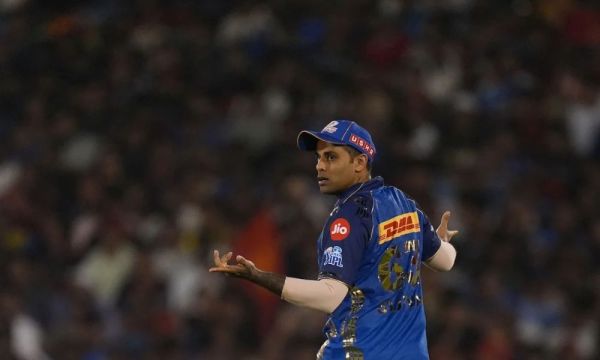
The one of world’s best T20 batter in recent years came into IPL 2026 carrying the weight of expectation and left carrying the weight of a season that never clicked. Suryakumar Yadav made 270 runs from 13 innings at an average of 20.27, numbers that would be considered acceptable for most batters but which represent a significant departure from the player who has repeatedly been the most destructive middle-order presence in the competition.
For the bulk of the season he was sitting on 210 runs from 12 matches before a fighting 60 against Rajasthan Royals in the final game given his numbers a late cosmetic improvement. The rhythm that made him impossible to bowl at, the ability to hit from any position, find gaps that do not exist and take the pace off quality bowlers, was almost entirely absent.
Whether the cause was a combination of a groin issue, captaincy- pressure from Hardik’s absences or simply an extended loss of form that elite players occasionally endure, the result was the same. MI’s middle order had no anchor and no enforcer and the team’s season reflected that.
3. Hardik Pandya – Mumbai Indians
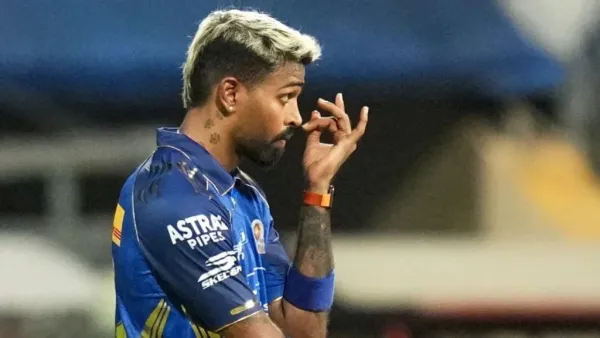
Leading Mumbai Indians to a ninth-place finish is a damning outcome for any captain but the individual numbers behind Hardik’s season make the story even harder to defend. Two hundred and six runs from ten innings at an average of 22.89 and a strike rate of 138.26, far below the 160-plus numbers that define his best finishing performances. Four wickets from nine appearances at a bowling average of 64.75 and an economy rate of 11.43.
As a specialist all-rounder whose value to any T20 team is built on doing damage in both departments, these numbers represent a near-complete failure to deliver. The back spasms that forced him to miss the final weeks of the season added injury to insult but the truth is that even before the injury struck, the numbers were telling a difficult story about a player who could not find his best cricket at the time his team needed it most.
4. Rishabh Pant – Lucknow Super Giants
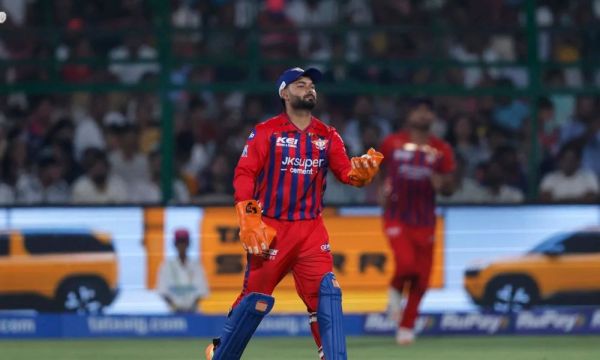
Pant’s move to LSG for IPL 2026 was one of the most anticipated transfers of the auction cycle and the expectations placed on him as their captain and batting cornerstone were enormous.
What followed was a season defined by a strike rate of approximately 138, a number that is uncharacteristically slow for a player whose entire value in T20 cricket is built on the ability to accelerate, improvise and dominate.
312 runs from 14 innings at an average of 28.36 is serviceable rather than game-changing and LSG’s batting never found the velocity or the confidence that would have followed from their captain leading from the front with his natural aggression.
The three-ball duck against Rajasthan Royals in April when LSG needed him most summed up a campaign that was more mechanical than magical. LSG finished last. Their captain’s inability to find his explosive best when the team was searching for momentum was central to that outcome.
5. Axar Patel – Delhi Capitals
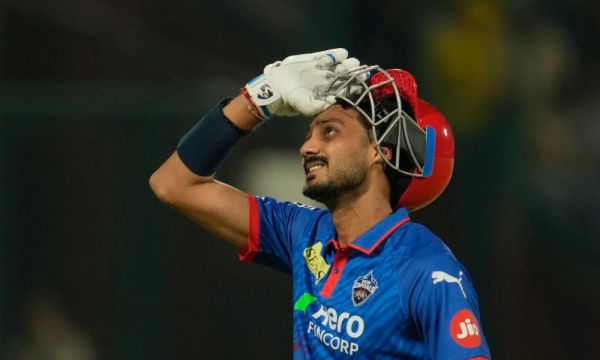
Of the five players on this list, Axar Patel’s is perhaps the most complicated story because it involves not just individual underperformance but the visible and painful interaction between a personal slump and the captaincy of a team that was simultaneously falling apart in the powerplay.
His batting numbers in IPL 2026 tell a brutal story, 173 runs from 11 innings at an average of 19.22 and a strike rate of 131.06, with a solitary fifty against Punjab Kings standing as the only genuinely impactful innings of his season. The 33 runs from his first seven innings before that Punjab game was as alarming a sequence of scores as any frontline batter produced in IPL 2026.
Axar bowling was more respectable, 11 wickets at an economy of 8.18, but DC’s powerplay calamity, where they lost more wickets in the first six overs than any other team in the competition, happened on his watch and under his captaincy. Delhi finished sixth in IPL 2026, missed the playoffs and their captain’s season reflected the team’s inability to solve its own fundamental problems.





French Open: Yuki Bhambri, N Sriram Balaji enter men’s doubles R2
SRH vs RR, IPL 2026: Maharaja Yadavindra Singh International Cricket Stadium Pitch Report and New Chandigarh Weather Forecast
T20 cricket is a boon for Associate nations, says Kenya legend Steve Tikolo
RCB Records In IPL Finals: How Royal Challengers Bengaluru Have Fared In Summit Showdown? Check All Stats Ahead Of 2026 Title Defence