
Rahul Kumar
khelja|04-06-2026
Changing lifestyles, stress, long working hours, unhealthy eating habits, lack of exercise, diabetes, hypertension, smoking and poor sleep are the major contributory factors to this growing health concern. Awareness about stroke symptoms and emergency action is still low despite the increasing numbers.
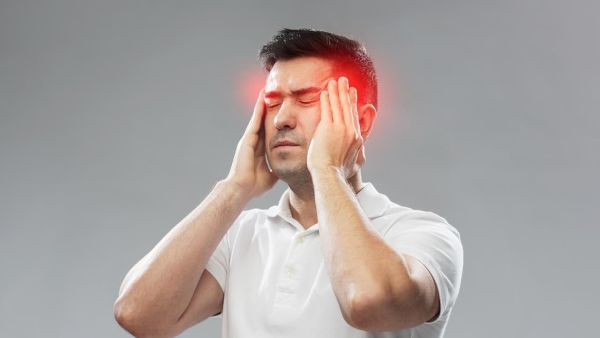
In minutes, a stroke can turn someone's life upside down. It often happens suddenly, during work, when talking to family, or even in the middle of an ordinary day. For families, it is a frightening and confusing experience. Most people do not recognise the warning signs immediately and many waste valuable time deciding where to go or what to do.

Unfortunately, in stroke care, time is brain
In India, the number of stroke cases has risen sharply over the years, even among younger adults. Changing lifestyles, stress, long working hours, unhealthy eating habits, lack of exercise, diabetes, hypertension, smoking and poor sleep are the major contributory factors to this growing health concern. Awareness about stroke symptoms and emergency action is still low despite the increasing numbers.
One of the main problems is delay in treatment. Symptoms of stroke are often confused with fatigue, migraine, stress or transient weakness and many patients do not reach the right medical facility in time. In many cases families will then go to local clinics or hospitals where specialised stroke care may not be available, and this creates added delays in the all-important time window.
This is when the need for a better, more structured emergency response system comes in. As with heart attacks or serious accidents, strokes require urgent care pathways and faster coordination between emergency services, ambulances, traffic systems and hospitals. A well-connected emergency network can help patients to get treatment during the critical time when the chance of recovery is highest.
Public awareness is another big factor. The common signs of stroke are still unknown to many people. Never ignore sudden slurred speech, drooping of the face, weakness on one side of the body, confusion, loss of balance or blurred vision. Immediate emergency medical assistance can greatly improve outcomes and reduce the risk of long-term disability.
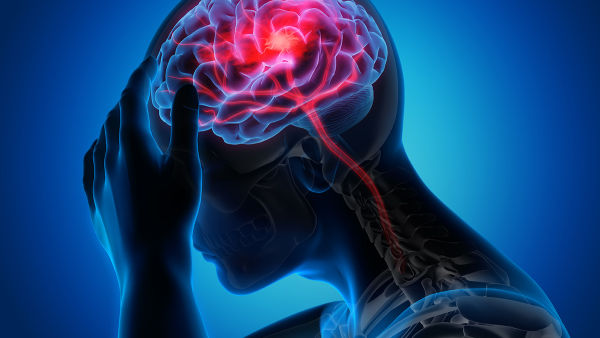
Preventive care is as important as emergency care. Regular health check-ups, blood sugar and blood pressure control, regular exercise, stress control, smoking cessation, alcohol restriction and a healthy diet can significantly lower the risk of strokes. Stroke is not just an illness of the old anymore and young people especially those leading stressful lives need to understand this.
And there’s an increasing need for discussions about rehabilitation and emotional recovery after stroke. Survivors frequently have physical limitations, speech challenges, emotional pain, and financial struggles. Families become carers overnight, living in a different world. Timely intervention and faster treatment not only save lives but also reduces long-term burden on the patients and their loved ones.
Stroke awareness needs to be integrated into routine health conversations in schools, workplaces and communities. The more people understand the warning signs and the urgency of action, the more lives can be saved. In a country as vast and fast-moving as India, improving emergency stroke care is not just a healthcare imperative, it is a move to save families from avoidable loss and lifelong hardship.
-This article is authored by Dr Shiva Kumar R, Head and Senior Consultant – Neurology, Manipal Hospital Sarjapur Road.




ENG vs NZ 2026: 'It could get messy' - Ben Stokes issues strict warning amid Jofra Archer's unavailability

T20 Mumbai 2026: Match 9, ETS vs AA Match Prediction – Who will win today's T20 Mumbai match between Eagle Thane Strikers vs ARCS Andheri?

3 changes Gujarat Titans should make ahead of IPL 2027

PBKS Star To Become India T20 Captain? Report Reveals Major BCCI Decision