
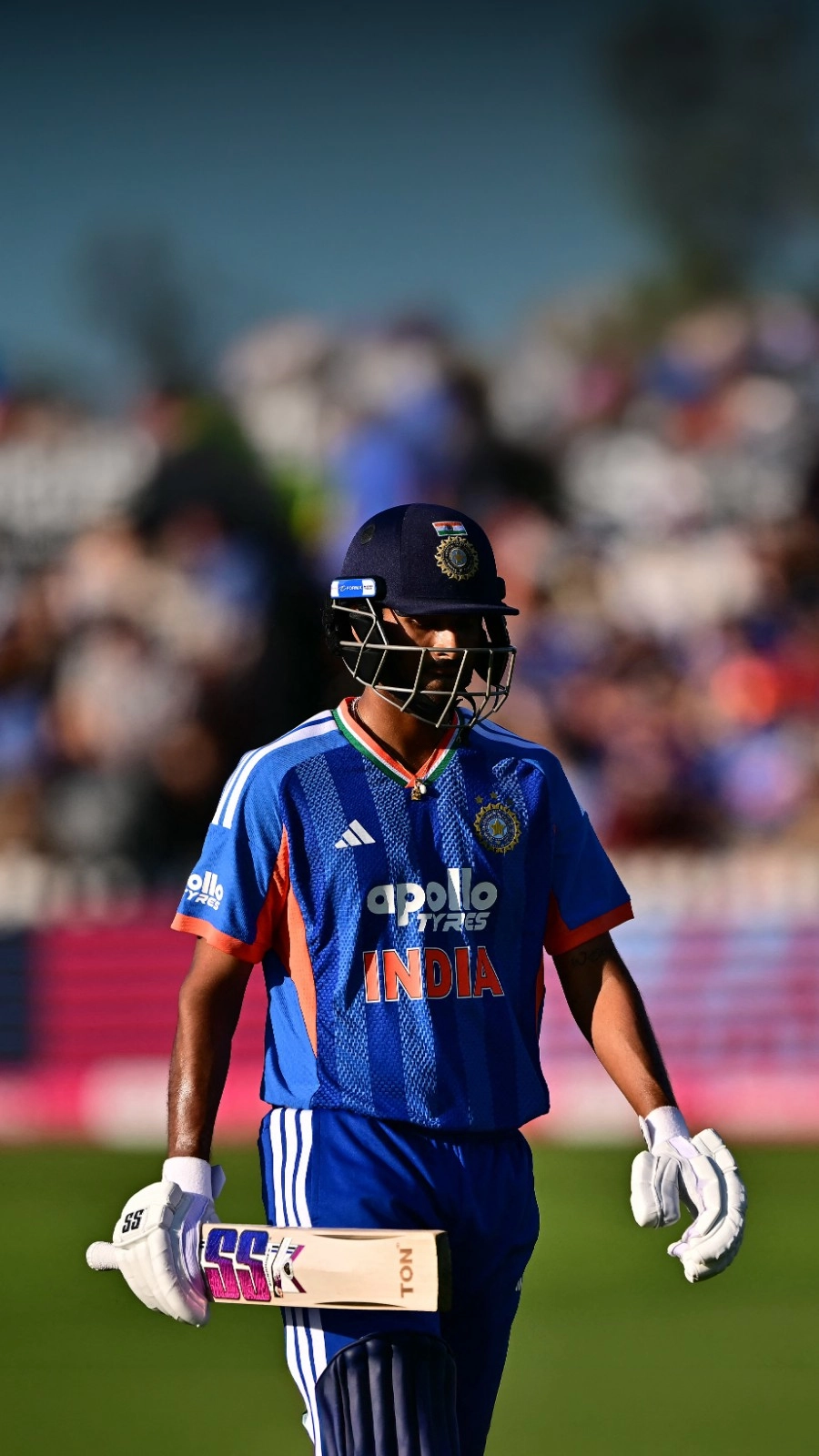
'Why Washington Sundar Again?' Fans Question India's Selection
REDIFF CRICKET
rediff|14-07-2026
Washington Sundar's place in India's T20I setup is back under the microscope after yet another lacklustre performance against England. The all-rounder, once hailed as Ravichandran Ashwin's natural successor, failed to deliver when it mattered most, both with the bat and the ball. In the recent match, Sundar managed just 5 runs off 8 balls, eating up precious deliveries without providing any acceleration. With the ball, things went from bad to worse as he leaked 19 runs in a single over, with England's Harry Brook and Co. tearing into the Indian spin attack without mercy. India, already reeling from an embarrassing 0-2 series loss to Ireland, now trail England 0-3 in the T20I series, with the opener washed out.
Social Media Erupts in Anger. As soon as the match ended, frustrated fans took to social media to vent their disappointment. The recurring question was simple yet damning: Why does Washington Sundar keep getting chances despite years of mediocrity? One fan pointed out the lack of growth over nearly a decade: "Washington Sundar has been part of Indian cricket for almost 10 years. He was seen as Ashwin's successor, but he still hasn't delivered a truly match-winning performance consistently." Another supporter questioned the selectors' logic: "Can't make an impact with the bat, can't contain runs with the ball, yet he keeps finding a place in the XI. What are selectors seeing?" The Bigger Selection Debate: The criticism didn't stop at Sundar alone. Many fans drew comparisons to other players who have been treated harshly despite performing well. One tweet that gained traction read: "Sanju Samson wins Player of the Tournament in a World Cup, yet gets dropped. Meanwhile, players struggling to make an impact keep getting chances.
Where is the consistency in selection?" Another fan added a tactical observation: "Sundar plays like he's preparing for a Test match, but T20 cricket needs intent and impact. Every over matters." What's Next for Sundar? At 26, Washington Sundar is no longer a raw talent; he's an experienced campaigner expected to deliver.
But with his strike rate dipping and his bowling becoming increasingly predictable, questions are mounting over whether he fits India's aggressive T20 blueprint. While the selectors have shown faith in his abilities so far, the growing public outcry and string of poor performances might force a rethink. For Sundar, the road ahead is clear: he needs to redefine his role, add more variety to his bowling, and show the intent that modern T20 cricket demands or risk being left behind in an increasingly competitive squad.
Social Media Erupts in Anger. As soon as the match ended, frustrated fans took to social media to vent their disappointment. The recurring question was simple yet damning: Why does Washington Sundar keep getting chances despite years of mediocrity? One fan pointed out the lack of growth over nearly a decade: "Washington Sundar has been part of Indian cricket for almost 10 years. He was seen as Ashwin's successor, but he still hasn't delivered a truly match-winning performance consistently." Another supporter questioned the selectors' logic: "Can't make an impact with the bat, can't contain runs with the ball, yet he keeps finding a place in the XI. What are selectors seeing?" The Bigger Selection Debate: The criticism didn't stop at Sundar alone. Many fans drew comparisons to other players who have been treated harshly despite performing well. One tweet that gained traction read: "Sanju Samson wins Player of the Tournament in a World Cup, yet gets dropped. Meanwhile, players struggling to make an impact keep getting chances.
Where is the consistency in selection?" Another fan added a tactical observation: "Sundar plays like he's preparing for a Test match, but T20 cricket needs intent and impact. Every over matters." What's Next for Sundar? At 26, Washington Sundar is no longer a raw talent; he's an experienced campaigner expected to deliver.
But with his strike rate dipping and his bowling becoming increasingly predictable, questions are mounting over whether he fits India's aggressive T20 blueprint. While the selectors have shown faith in his abilities so far, the growing public outcry and string of poor performances might force a rethink. For Sundar, the road ahead is clear: he needs to redefine his role, add more variety to his bowling, and show the intent that modern T20 cricket demands or risk being left behind in an increasingly competitive squad.
Related News


Latest Newsmore
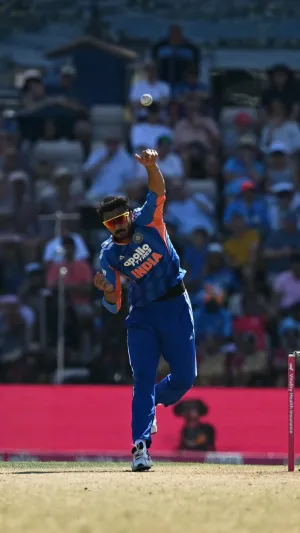
Axar Patel makes big confession ahead of his 100th T20I: 'I never imagined this'
14-Jul-2026 • TOI Sports Desk
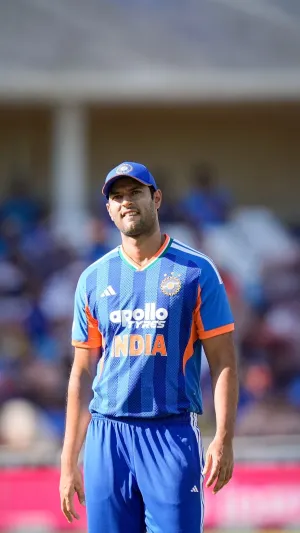
Shivam Dube Playing For India Labelled A Joke By Chennai Legend
14-Jul-2026 • Rajgeeta Yadav
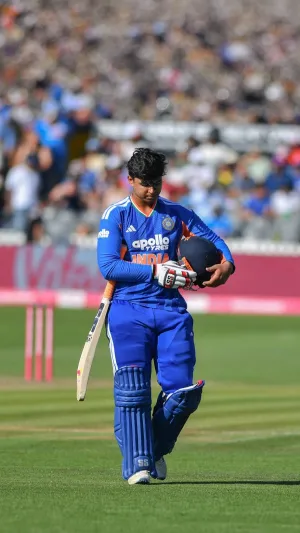
Good news for Vaibhav Sooryavanshi after disappointing England T20I series, THIS star player offers to COACH him, name is…
14-Jul-2026 • India News

Brendon McCullum sorry for England Test defeats, accepts performances were not good enough
14-Jul-2026 • Samira Vishwas
The end of an era: Fleming, CSK part ways
14-Jul-2026 • Samira Vishwas