
Sandy Verma
Tezzbuzz|19-07-2026
The International Cricket Council’s new format for the 2027 ODI World Cup has been heavily criticized by several Associate captains, who believe that the changes will make it more difficult for developing nations to compete at the sport’s highest level.
The revised format, which was approved at the ICC Annual Conference, maintains a 14-team World Cup but sees the addition of a “Super Series” featuring the three lowest-ranked qualifiers, with only one progressing to the main event. The decision has been met with disapproval from the captains of the Netherlands, Namibia, and Scotland, who feel that it is counterproductive to the ICC’s efforts to promote the game’s growth around the world.
Associate Nations Say Opportunities Are Being Reduced At The ICC World Cup
Associate nations have been lobbying for more representation at ICC events after posting emphatic results against Full Members, but now feel as though they are being sidelined. Many feel that changing the qualification route has made it much less likely that they will face the best teams in the world.
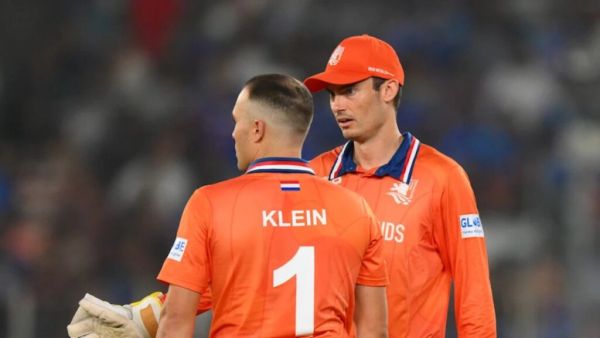
Netherlands skipper Scott Edwards was incredibly frustrated by the ruling, saying that it was a “disappointment” to have invested so much into their ODI programme, only to have the reward made harder to reach.
“Qualifying for the ODI World Cup is a huge incentive for any nation, and when the reality of the situation changes after such a long, hard road, it’s very disappointing,” said Edwards. “The ICC needs to think about the development of the game worldwide, and realize that their decisions can make it much harder for associate members to play against the best teams in the world.”
Edwards also argued that it was important to play against the best teams in the world in order to both raise standards and attract new fans to the game, saying that the current climate was limiting players’ opportunities at the highest level, and that the game worldwide needed more, not less, competitive ODI and T20I cricket.
“For us, the ODI World Cup is our long-form pinnacle,” said Erasmus.
“So if you qualify, you should be able to play the best teams in the world.”Scotland captain Richie Berrington spoke out against the lack of player input into the changes, arguing that while they understand that not every decision should be passed to the players, when important decisions to the game are made, they should be properly consulted, as they are at the coal face of the game, and can help make it better.
“Players know that they can’t make every decision, but we should be more involved with things that have a big impact on the game and on us as players,” said Berrington “More often than not, the best ideas come from people being allowed to throw something out there, and we’re asking the game to start doing that.”
The World Cricketers’ Association also released a statement, criticizing the lack of consultation with players, and accusing the ICC of undermining their own mandate to grow the game worldwide.
How the New ICC 2027 ODI World Cup Format Will Work
The 2027 ODI World Cup, which is set to be hosted by South Africa, Zimbabwe and Namibia, will see a new format that will see the 14 competing teams play in a three-stage competition.
The three lowest-seeded teams that qualify will play a new Super Series with only one side progressing to the main tournament, and the rest of the teams joining the other qualifiers. It will then be a two-group affair with teams playing against all the other sides in the group, and then the top sides from each group will make up the Super 7, which will see a semi-final and final.
It is believed the format will make the game more competitive, but associate nations have argued that it may have the reverse effect. They say that a more difficult path to the global showpiece could see them lose out on funding and opportunities, which will greatly affect the development of their domestic game.
Cricket is growing every year as an international sport, and as the game progresses, more and more people want to be involved in it. Associate captains have said that the rules for international cricket should make it easier for emerging nations to get the opportunities they need and play a bigger part in the sport rather than making it harder.




LAKR vs WF, MLC 2026 Final, Match Prediction: Who will win today’s game between Los Angeles Knight Riders and Washington Freedom?

WATCH: Rohit Sharma, Gautam Gambhir Lord's Video Sparks Buzz Amid Rift Speculation

WATCH: Rohit Sharma Responds To Outside Noise Amid Retirement Buzz

Mbappé betters Messi’s World Cup scoring record, leads Golden Boot race